Brake Problems: Warning Signs and When to Stop Driving
Brakes usually give plenty of warning before they fail. Here is what each noise, feel and warning light means, which ones can wait a few days and which mean park the car now.
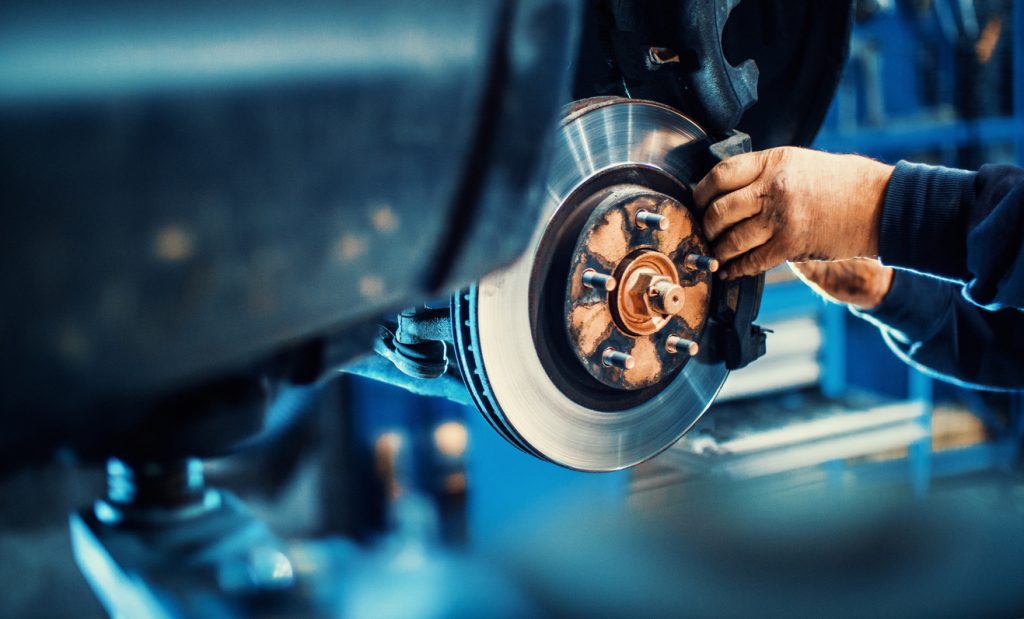
The most common brake problems announce themselves early: a high-pitched squeal from pad wear indicators, grinding when pads are worn through, a soft or sinking pedal, the car pulling to one side, a pulsing pedal or steering wheel, and warning lights on the dash. Squeal and mild vibration can usually wait for an appointment in the next few days. A pedal that sinks toward the floor, a red brake warning light while driving, grinding metal or leaking brake fluid mean you should stop driving and have the car towed.
Noises
Squealing
Many brake pads have a small metal tab, called a wear indicator, that scrapes the rotor and squeals when the pad is getting thin. That is a request to schedule service, not an emergency. Squeal can also come from glazed pads, missing anti-rattle hardware or simply moisture and dust, especially in the morning. If it disappears after a few stops, it may be harmless.
Grinding
Grinding usually means the friction material is gone and the metal backing plate is contacting the rotor. Braking performance drops and the rotor gets damaged quickly. Grinding can also come from a rock caught between the rotor and dust shield. Either way, get it inspected right away.
Clicking or clunking
A clunk when you apply or release the brakes can point to loose caliper hardware or worn suspension parts. Have it checked.
How the pedal feels
- Soft or spongy pedal. Often air in the hydraulic lines or old, moisture-contaminated fluid. Brake fluid absorbs water over time, which lowers its boiling point.
- Pedal sinks slowly to the floor while you hold steady pressure at a stop. A classic sign of a failing master cylinder or an internal leak. Stop driving.
- Hard pedal, poor stopping. Can indicate a power brake booster problem. Booster assist depends on engine vacuum or an electric pump, so a stalled engine also makes the pedal hard.
- Pulsing pedal. Usually rotor thickness variation, often called "warped rotors." Normal ABS activation on a slippery surface also feels like rapid pulsing, which is expected.
- Low pedal that improves when you pump it. Worn pads, air in the system or adjustment issues on drum brakes.
Pulling and vibration
If the car pulls to one side when braking, a caliper may be sticking, a brake hose may be collapsed internally, or pads may be contaminated with grease or fluid. A pull can also come from tire pressure or alignment, but a pull that appears only when braking points at the brakes.
A shaking steering wheel during braking often means front rotor problems. A vibration felt more in the seat can mean rear rotors. A burning smell after normal driving can mean a dragging brake, which also makes that wheel unusually hot.
Warning lights
| Light | What it can mean | Urgency |
|---|---|---|
| Red BRAKE light (parking brake released) | Low brake fluid or a hydraulic system fault | High: stop and check, do not continue driving if the pedal feels wrong |
| Amber ABS light | Antilock system fault; normal brakes should still work | Moderate: drive carefully, schedule service |
| Red BRAKE and amber ABS together | Possible loss of brake force distribution as well as ABS | High: stop driving and get it inspected |
| Brake pad wear light (some vehicles) | Pads near the end of their life | Schedule service soon |
With the ABS light on, the wheels can lock under hard braking, so leave extra following distance, especially in rain or snow. Common causes include a failed wheel speed sensor, damaged sensor wiring or a module fault.
Brake fluid
Most cars have a translucent fluid reservoir near the back of the engine bay with min and max marks. Fluid drops slowly as pads wear, so a slightly low level can be normal. A sudden drop, or wetness at a wheel or along a brake line, means a leak. Never drive a car that is leaking brake fluid.
Many manufacturers recommend replacing brake fluid every two to three years, though schedules vary. In states that use road salt, check brake lines for corrosion during inspections. Rusted steel lines can burst under hard braking.
Electronic parking brakes
Many newer cars use an electronic parking brake, operated by a switch instead of a lever or pedal. A fault usually shows a dedicated warning light or message, and the brake may not apply or release. If the parking brake is not working, do not rely on Park alone on a hill; turn the wheels toward the curb and get it repaired. Rear brake service on these cars often requires a scan tool to retract the calipers, so a pad change takes more than basic hand tools.
When to stop driving
- The pedal goes to the floor or keeps sinking
- The red brake warning light comes on while driving and the parking brake is released
- You see fluid leaking near a wheel or under the car
- Loud metal-on-metal grinding
- The car pulls hard to one side when braking
- A strong burning smell and smoke from a wheel
In those cases, a tow costs far less than a crash.
Brake recalls and complaints
Brake defects are a regular source of recalls, including problems with brake lines, master cylinders, boosters, ABS software and electronic parking brakes. One example: in early 2010, Toyota recalled the 2010 Prius over an antilock brake software issue that owners described as a brief loss of braking when crossing bumps or rough pavement. Owners have filed 2,823 complaints with NHTSA about the 2010 Prius; the 2010 Prius brake complaints and 2010 Prius recalls pages show how that played out.
To check your own car, look at the brakes section of your model year's problem page and the recalls hub. If many owners describe the same brake symptom, mention it to the dealer and ask about service bulletins.
Frequently asked questions
How long can I drive with squeaky brakes?
If the squeal is from wear indicators, you typically have some time, but not unlimited. Schedule service within days to a couple of weeks, and sooner if the squeal turns into grinding.
Is it safe to drive with the ABS light on?
Normal braking usually still works, but antilock function does not. Drive cautiously, avoid hard stops and get it repaired soon. If the red brake light is also on, stop driving.
Why does my brake pedal feel soft only sometimes?
Intermittent softness can come from air in the lines, overheated fluid after heavy braking or a master cylinder starting to fail. Get the system inspected, and ask about the fluid's age and moisture content.