Car Stalling While Driving: Causes and What to Do in the Moment
A car that stalls at speed loses power assist for steering and brakes, which catches drivers off guard. Here is how to handle it safely, what usually causes it and when it is a recall.
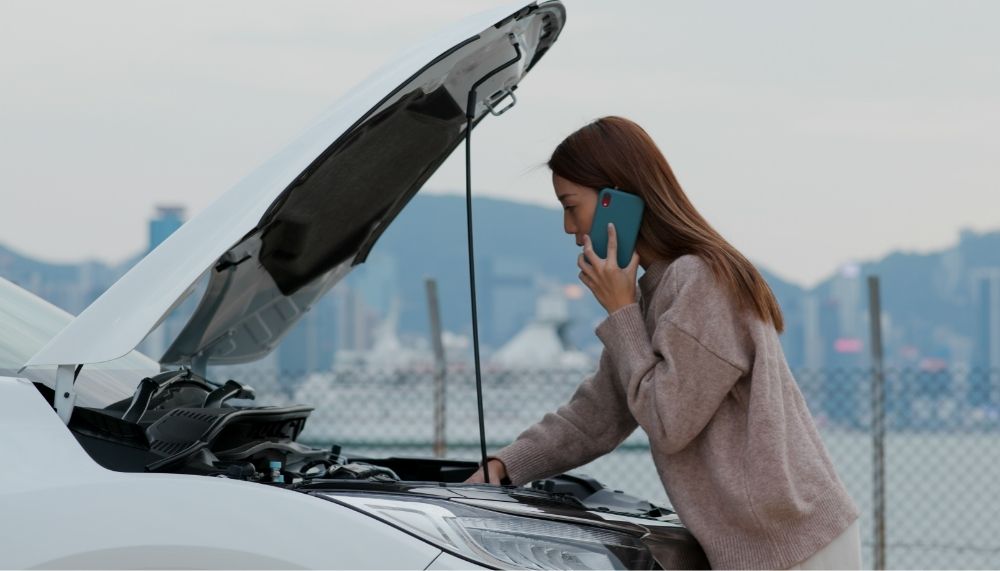
When a car stalls while driving, the engine stops but the car keeps rolling. You can still steer and brake, but power steering assist and brake assist fade, so both take much more effort. Turn on your hazard lights, grip the wheel firmly, press the brake hard and steadily, and guide the car to the shoulder. Common causes include fuel delivery problems, failing crankshaft or camshaft position sensors, ignition faults, airflow sensor problems and electrical issues. Some stalling problems have been the subject of recalls, including GM's 2014 ignition switch recall.
What happens when the engine stops
- Steering gets heavy. Hydraulic power steering uses an engine-driven pump, so assist disappears. Electric power steering may continue briefly on battery power on some vehicles, but do not count on it.
- Brakes get harder. The brake booster stores a reserve of vacuum or assist for a few applications. After that, the pedal becomes very firm. The brakes still work, but you have to push much harder.
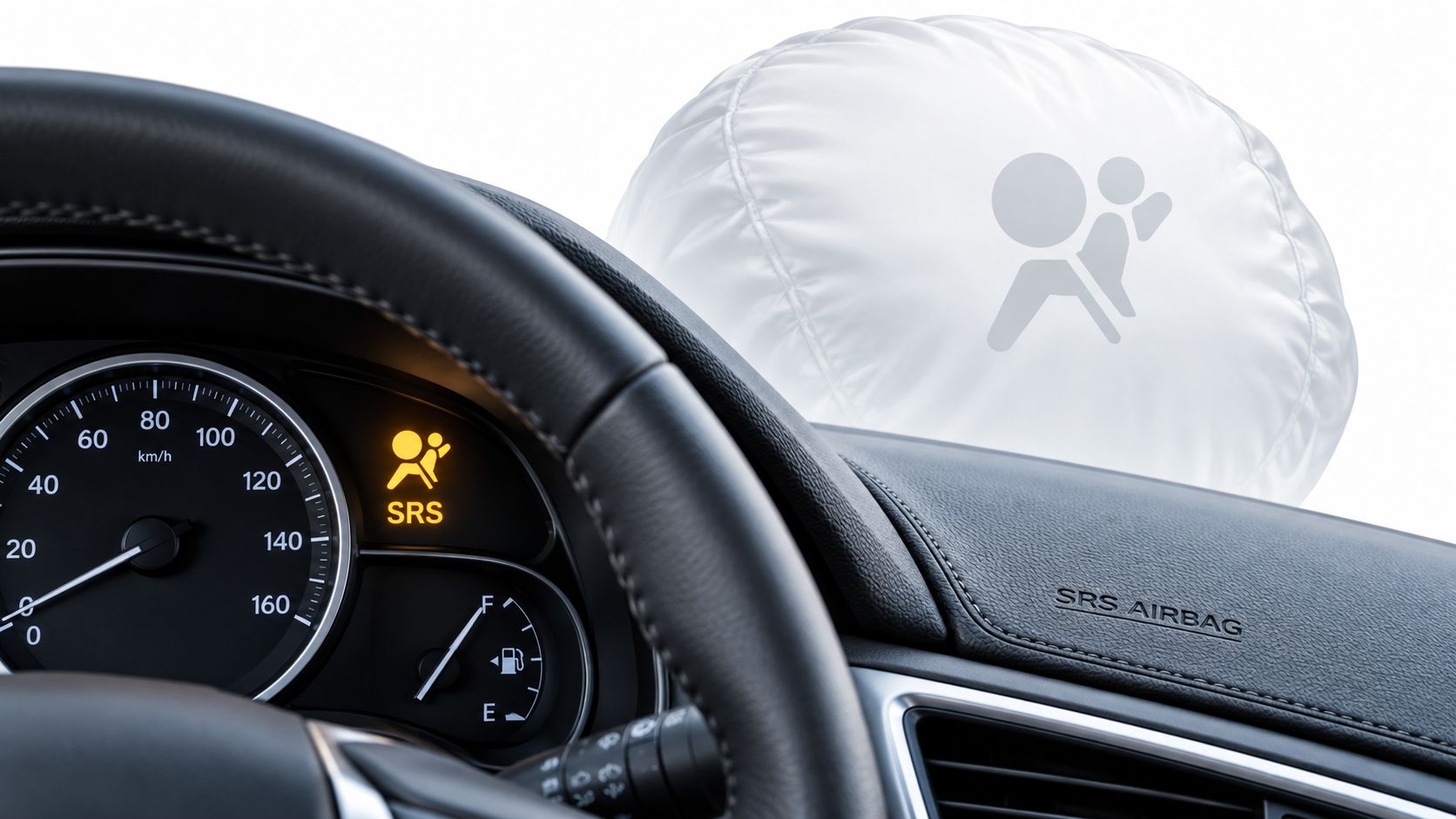
- Airbags. On most vehicles, airbags remain operational if the ignition is still in the run position. In GM's ignition switch case, the key moved out of run, which is why airbags could fail to deploy.
- Lights and accessories may flicker or shut off depending on the vehicle and cause.
What to do in the moment
- Stay calm and keep steering. Hold the wheel with both hands and expect it to feel heavy.
- Turn on the hazard lights.
- Shift to neutral. This lets you try to restart while rolling on many automatic cars. Check your owner's manual.
- Try one restart if traffic allows. If it starts, drive to a safe place and stop.
- If it will not restart, coast to the shoulder. Use the brake with firm, steady pressure. Avoid pumping, which uses up the remaining assist.
- Once stopped, put it in Park, set the parking brake and stay safely away from traffic while you call for help.
Practice the mental steps now, because a stall at highway speed leaves little time to think.
Common causes of stalling
Fuel delivery
A failing fuel pump, clogged fuel filter, faulty fuel pump relay or pressure regulator can starve the engine. Stalling that happens after the car warms up, on hills or with a low fuel level can point here. Fuel pump failures have been the subject of several recalls in recent years.
Crankshaft and camshaft position sensors
The engine computer needs these signals to time spark and fuel. A failing crankshaft sensor, in particular, can cause the engine to cut out without warning, often when hot, and then restart once it cools.
Airflow and idle control
A dirty mass airflow sensor, a vacuum leak, a sticking throttle body or, on older cars, a faulty idle air control valve can cause stalling at idle or when coming to a stop.
Ignition
Failing ignition coils, a worn ignition switch or a bad ignition relay can cut the engine. Keys with heavy key rings can put extra weight on worn ignition switches in some designs.
Electrical and charging
A failing alternator eventually runs the battery down until the engine computer and ignition stop working. Loose or corroded battery cables and ground straps can cause intermittent shutdowns.
Engine damage and overheating
Severe internal engine failure, such as a bearing failure, stops the engine abruptly and is often preceded by knocking, low oil pressure warnings or a flashing check engine light. Overheating can also cause stalls. Our guide to the check engine light covers early warnings.
Transmission and torque converter
A torque converter clutch that fails to release can stall the engine as the car comes to a stop, which feels like stalling in a manual car without pressing the clutch.
The GM ignition switch recall
The best-known stalling case is GM's 2014 ignition switch recall. On affected vehicles, including the 2005 to 2010 Chevrolet Cobalt, 2006 to 2011 Chevrolet HHR, 2003 to 2007 Saturn Ion and several Pontiac and Saturn models, the ignition switch could move from "run" to "accessory" or "off" if the key was jostled or weighed down, for example by a heavy key ring or a bump in the road. That shut off the engine, disabled power steering and power brake assist, and could prevent the airbags from deploying in a crash.
The recall eventually covered millions of vehicles. GM's compensation program accepted claims for more than 100 deaths, and the case led to major penalties and changes in how GM and NHTSA handle defects. Owners have filed 1,649 complaints with NHTSA about the 2005 Chevrolet Cobalt; see the 2005 Cobalt recalls, 2004 Saturn Ion recalls and 2006 HHR problems pages. Some of these cars also had separate power steering recalls, covered in our guide to power steering failure signs.
If you own or are buying one of these vehicles, confirm the ignition switch recall was completed by VIN. Recall repairs are free regardless of age.
Diagnosing an intermittent stall
Intermittent stalls are frustrating because the car often runs fine at the shop. Help the technician by recording when it happens: engine temperature, speed, fuel level, weather, whether the AC was on, and any warning lights. A scan tool can pull stored codes even if the light is off. Some shops can install a data logger to catch the event.
Check the problem page for your model year too. If many owners describe the same stall under the same conditions, that is useful information to bring to the dealer, and it may relate to a service bulletin or recall.
Frequently asked questions
Can I still brake if my engine stalls?
Yes. The brakes work mechanically and hydraulically, but once the stored booster assist is used up, the pedal becomes much harder. Press firmly and steadily rather than pumping.
Is stalling covered by a recall?
Sometimes. Fuel pump, ignition switch, sensor and software problems that cause stalling have all been recalled on various vehicles. Check your VIN for open recalls.
Why does my car stall when I stop?
Stalling at stops often points to idle control problems, vacuum leaks, a dirty throttle body, a failing mass airflow sensor or a torque converter clutch that is not releasing. A scan for codes is the first step.