Do Not Drive Recall Warnings: What They Mean and What to Do
A do not drive warning is the most serious message an automaker can attach to a recall. It means stop using the car until it is fixed. Here…
How recalls work and how to get one fixed, what NHTSA complaint data can and cannot tell you, the problems worth checking before you buy, and how to read fuel economy figures.
A do not drive warning is the most serious message an automaker can attach to a recall. It means stop using the car until it is fixed. Here…
EPA ratings come from standardized lab tests, not your commute. Here is how the testing works, the reasons real-world mileage differs, and…
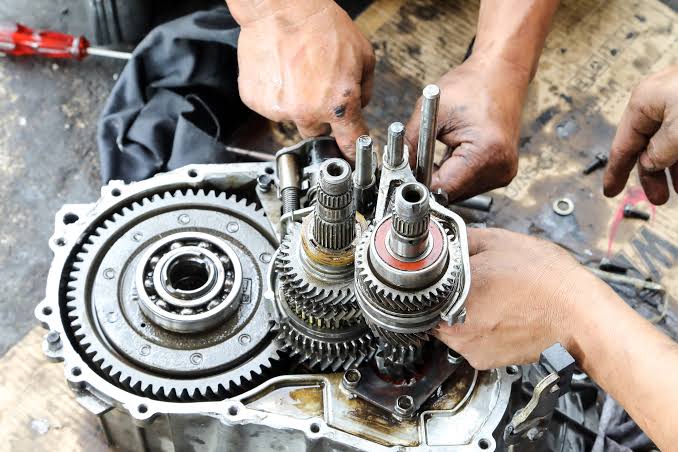
Engine revs climb but the car does not speed up. That is the classic sign of a slipping transmission. Here is what to check, what repairs…
Some defects can start a fire in a car that is turned off and locked. When that risk is real, automakers tell owners to park outside. Here…
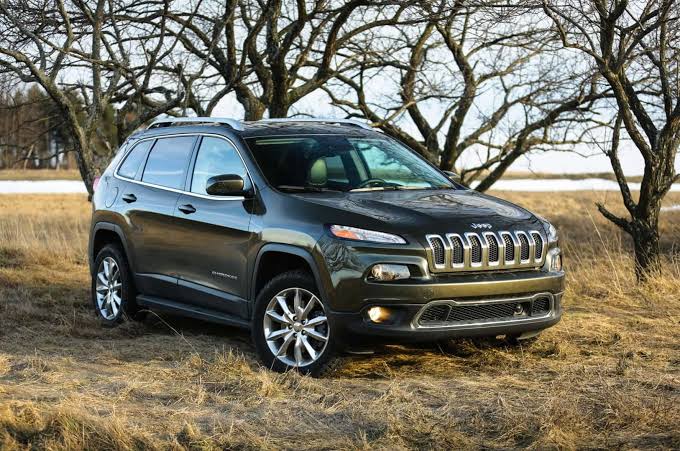
The 2014 Cherokee launched with a new nine-speed automatic and a wave of shifting complaints. Here is what owners reported, how software…
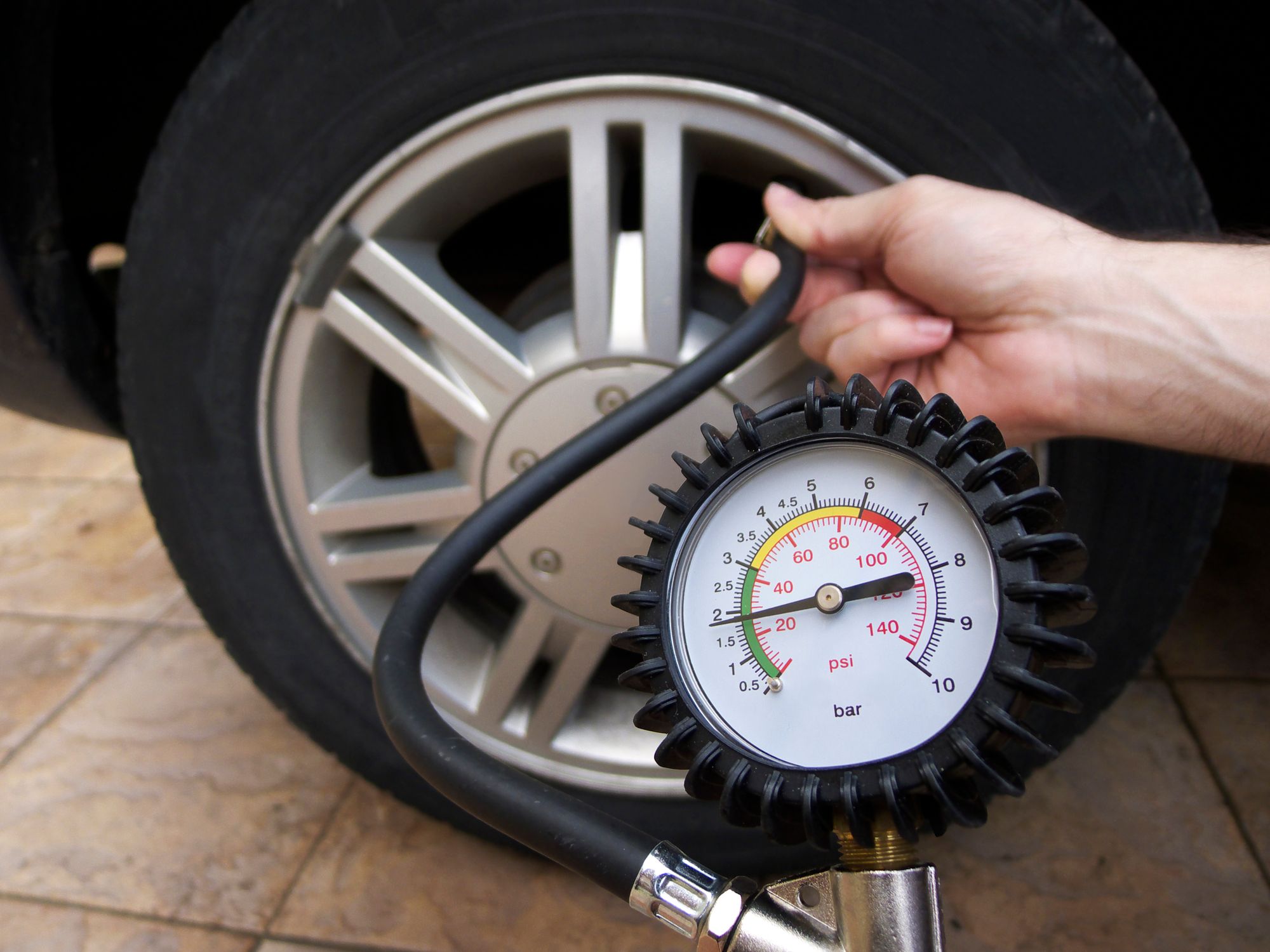
Underinflated tires cost fuel, wear out faster and handle worse. Here is how much mileage low pressure costs, where to find the right…
A car that stalls at speed loses power assist for steering and brakes, which catches drivers off guard. Here is how to handle it safely,…
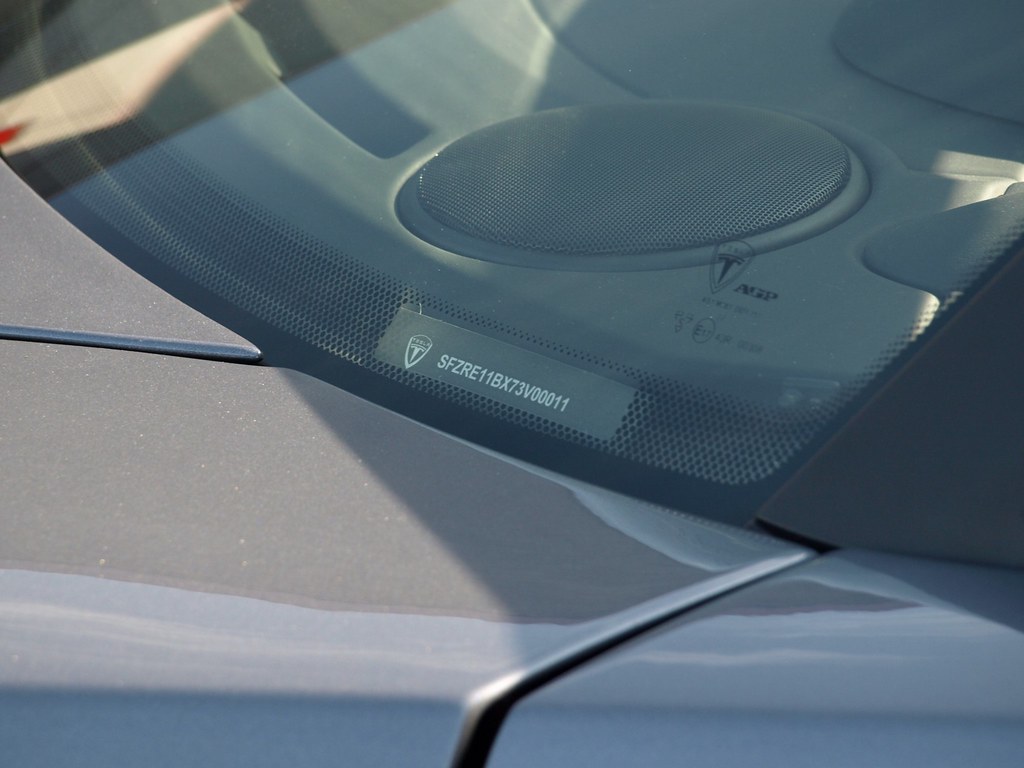
Your vehicle identification number is a 17-character code that says who built the car, where, in what model year, and with what basic…
A recall means the manufacturer must fix a safety defect for free. A technical service bulletin is repair guidance that may or may not come…
There is no single mileage cutoff. A well-maintained car with 150,000 highway miles can be a better buy than a neglected one with 70,000.…
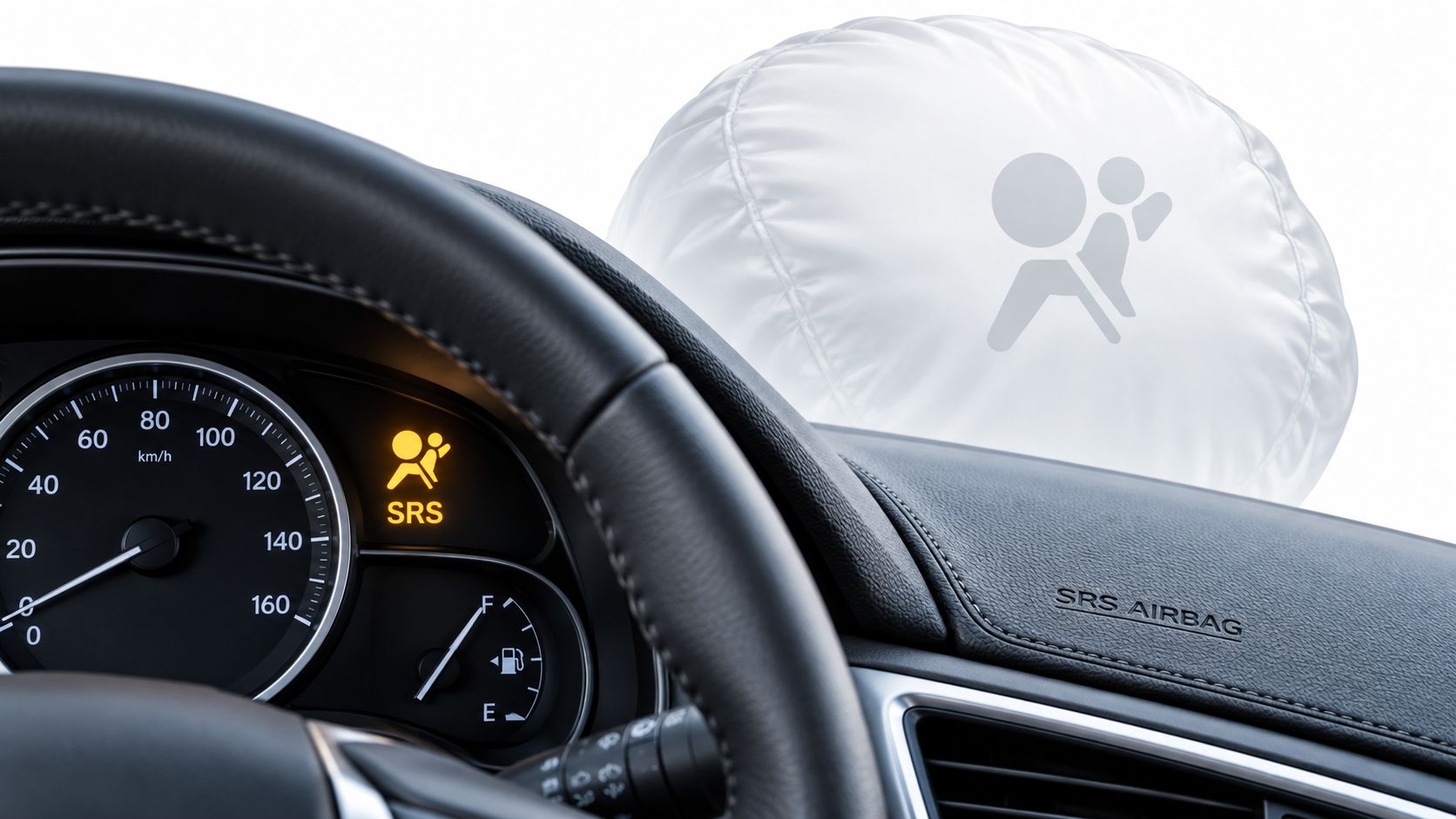
When the airbag light stays on, your airbags may not deploy in a crash. Here is what usually triggers the SRS warning, how shops diagnose…
Decode the VIN, look up open recalls, read the history, pay for an inspection, drive it properly and get the paperwork right. Here is the…