Check Engine Light On? What It Means and What to Do Next
A steady check engine light means get it checked soon. A flashing one means slow down and stop. Here is how to read the code yourself and when the repair might be covered.
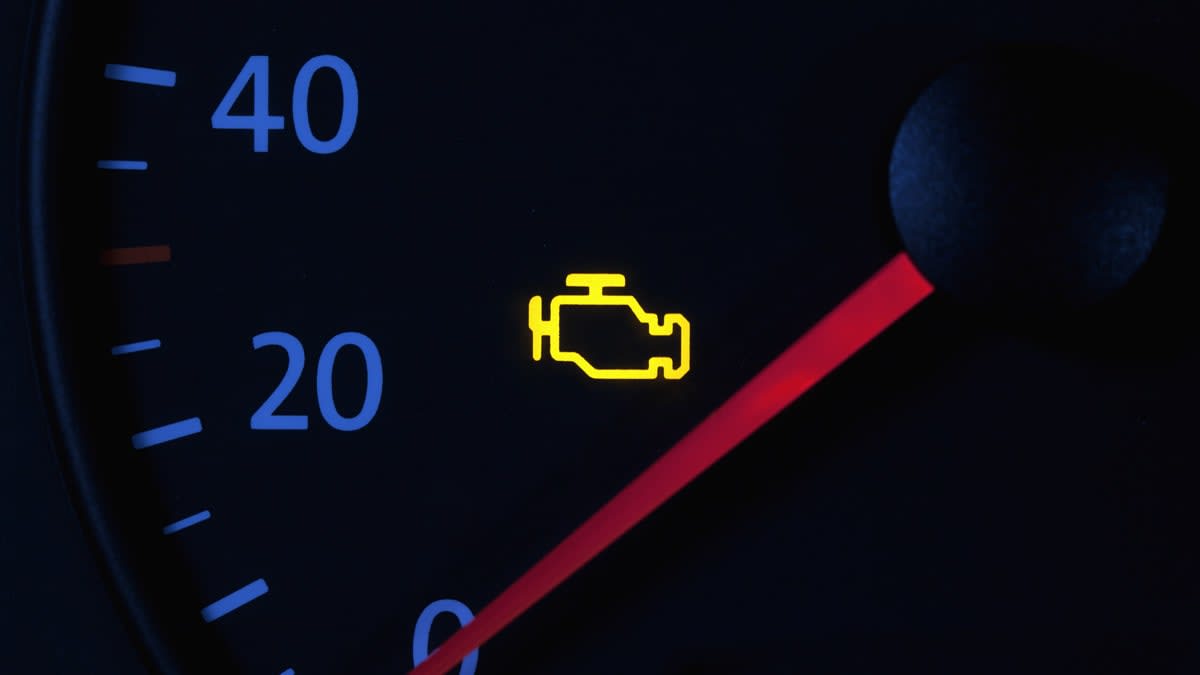
A steady check engine light means the car's computer has found a fault, usually related to the engine or emissions system, and you should have the code read soon, but it is generally safe to keep driving carefully. A flashing check engine light means a severe engine misfire that can overheat and destroy the catalytic converter, so reduce speed and stop driving as soon as you safely can. Either way, the first step is reading the stored trouble code, which many auto parts stores will do for free.
What the light actually is
The check engine light is officially the malfunction indicator lamp, or MIL. Since the 1996 model year, all cars and light trucks sold in the US have been required to use the OBD-II (onboard diagnostics, second generation) system. The engine computer continuously monitors sensors and emissions components. When a reading falls outside its expected range under specific conditions, the computer stores a diagnostic trouble code (DTC) and, for emissions-relevant faults, turns on the light.
The light is not a general "something is wrong" lamp. Oil pressure, coolant temperature, brakes, airbags and the charging system have their own warning lights. If one of those is on, treat it according to that system.
Steady versus flashing
| Light | What it usually means | What to do |
|---|---|---|
| Steady | A fault has been detected; often an emissions or sensor issue | Get the code read within days; watch for changes in how the car drives |
| Flashing | Active, severe misfire | Slow down, avoid hard acceleration and stop driving when safe; have it towed if the flashing continues |
| Steady plus other symptoms | Possible engine or transmission problem | Stop if you notice overheating, low oil pressure, loud noises or loss of power |
A misfire sends unburned fuel into the exhaust, where it burns inside the catalytic converter. Converters are expensive, so a flashing light is one to take seriously.
Check the gas cap first
A loose, damaged or missing gas cap is a common cause, because the evaporative emissions (EVAP) system checks itself for leaks. Typical codes include P0455 and P0457. Tighten the cap until it clicks, check the seal for cracks, and drive normally. The light may take several drive cycles to go off on its own, since the system needs to rerun its test. If it comes back, the leak is elsewhere in the EVAP system, often a purge valve, vent valve or hose.
How to read the code
Free code reading at parts stores
Many major auto parts chains will plug a scanner into your car and read the code at no charge. They will usually print or show you the code and a likely cause. Treat that as a starting point, not a diagnosis. A code tells you which test failed, not always which part is bad. An oxygen sensor code, for example, can be caused by a vacuum leak or exhaust leak rather than the sensor itself.
Buying your own OBD-II scanner
Basic OBD-II code readers are inexpensive, and Bluetooth adapters that work with a phone app cost about the same. The diagnostic port is under the dashboard on the driver's side on almost every car. A scanner lets you read and clear codes and, on many units, see live sensor data and readiness monitors. Owning one is worth it for anyone who keeps cars a long time.
Clearing a code turns off the light, but it does not fix anything. It also resets the emissions readiness monitors, so an inspection station will reject the car until it has been driven enough to rerun its self-tests.
Common causes
- Loose gas cap or EVAP leak
- Oxygen sensor or air-fuel ratio sensor faults
- Spark plugs, ignition coils or plug wires causing misfires
- Mass airflow sensor contamination
- Catalytic converter efficiency below threshold (P0420 and P0430)
- Vacuum leaks from cracked hoses or intake gaskets
- Thermostat stuck open, which triggers a coolant temperature code
- Oil burning that fouls plugs and damages the converter; see our guide to engine oil consumption problems
Our glossary explains many of these component names in plain terms.
When the repair might be covered
Federal emissions warranty
Federal law requires automakers to provide emissions warranties on new vehicles. The basic emissions coverage is 2 years or 24,000 miles. Certain major emission control components, specifically the catalytic converter, the electronic emissions control unit (the engine computer) and the onboard diagnostic device, are covered for 8 years or 80,000 miles. Coverage is based on the vehicle's original in-service date, transfers to later owners and applies regardless of whether you bought the car new. Read the warranty booklet that came with the vehicle for exact terms.
California and states that have adopted California's emissions rules have additional coverage, including longer warranties on some high-priced emissions parts and extended coverage for certain low-emission vehicles. Check your warranty booklet or ask the dealer.
Recalls and warranty extensions
Some check engine light causes are covered by recalls or by manufacturer warranty extensions on specific parts, such as a sensor, a fuel system component or engine software. Look up your model year's recalls on our recalls hub and ask the dealer to check your VIN for open campaigns and extended coverage.
When to stop driving immediately
- The light is flashing and keeps flashing
- The temperature gauge is climbing or the coolant warning is on
- The oil pressure light is on
- The engine is knocking, losing power badly or stalling; see car stalling while driving
- You smell fuel or see smoke
Frequently asked questions
Can I pass inspection with the check engine light on?
In states with OBD-II emissions testing, an illuminated check engine light typically results in a failed test. A car with recently cleared codes may also fail because its readiness monitors are not set.
Will the check engine light reset itself?
Often, yes. If the fault stops occurring, such as after you tighten a gas cap, the light usually turns off after the system rechecks itself over several drive cycles. The code may remain stored in history.
Is it safe to drive with the check engine light on?
If it is steady and the car drives normally, short-term driving is usually fine while you arrange a diagnosis. If it is flashing or other warning lights are on, stop driving as soon as you can do so safely.
Does disconnecting the battery clear the check engine light?
On many vehicles it will clear codes, but it also resets readiness monitors and may erase learned settings. The light will return if the fault is still there. Reading the code first is the better approach.