Engine Oil Consumption Problems: What Is Normal and What Is Not
Every engine burns a little oil, but some burn far too much. Learn how to measure consumption accurately, which engines are known offenders and how to push for a warranty repair.
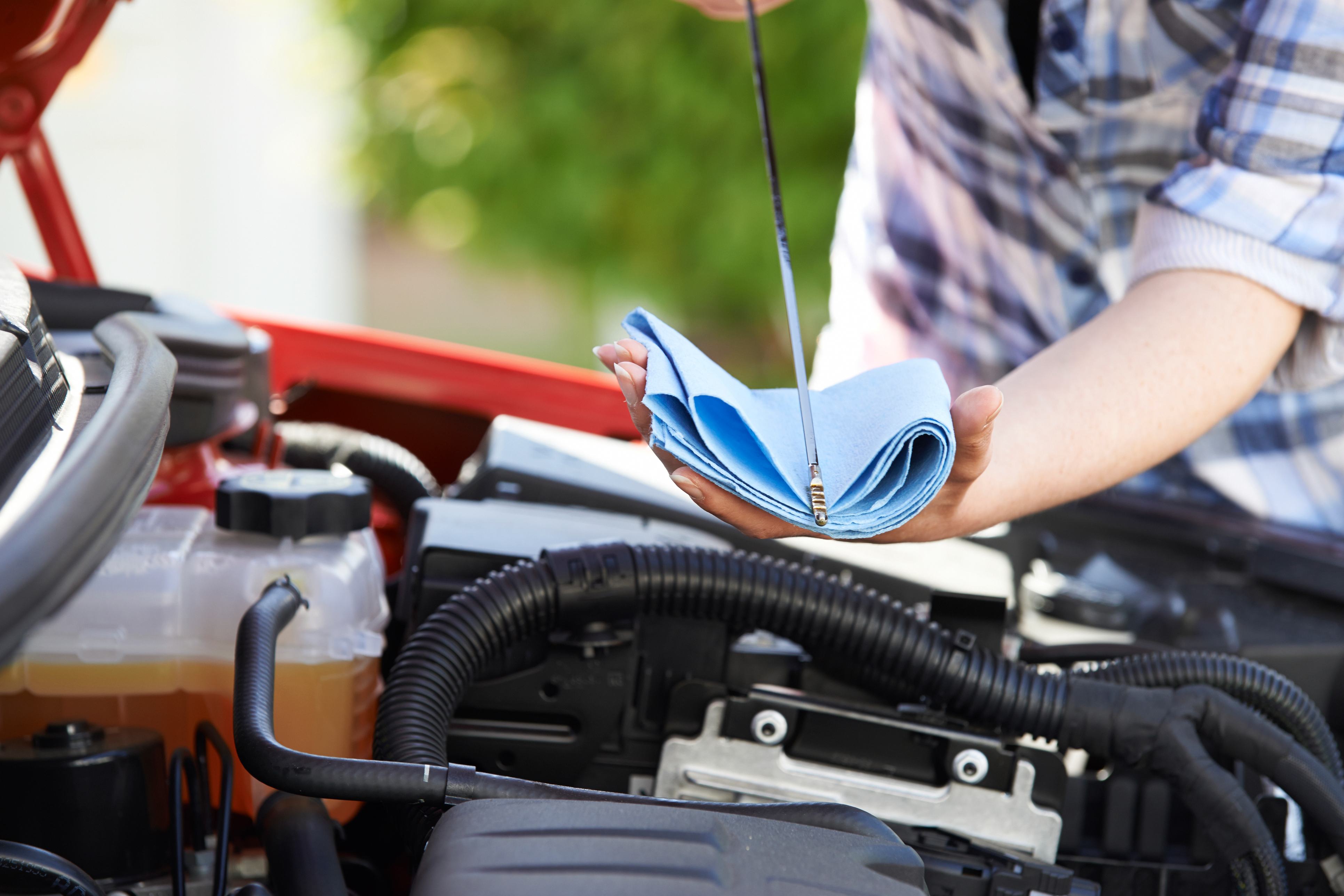
Some engine oil consumption is normal. Most healthy modern engines use little enough that you would barely notice between changes, but automakers have historically treated consumption of up to about one quart per 1,000 miles as acceptable in their warranty policies, and some set the line even higher. If you are adding a quart every 1,000 miles or sooner, measure it carefully, document it, and check whether your engine is one with a known problem. Several popular engines from Toyota, Subaru, Audi and Honda were the subject of warranty extensions or settlements over excessive oil use.
Why engines burn oil at all
Piston rings seal the gap between the pistons and cylinder walls, but the seal is never perfect. A thin film of oil stays on the cylinder walls to lubricate the rings, and a small amount of it burns during combustion. Oil also passes through the positive crankcase ventilation (PCV) system and, on turbocharged engines, past turbocharger seals. Valve stem seals let a little oil into the combustion chamber too.
Consumption goes up when rings stick or wear, when oil control ring drain holes clog with carbon, when valve seals harden with age, or when a PCV valve fails. Low-tension piston rings, used to cut friction and improve fuel economy, are at the heart of several known problem engines.
How to measure oil consumption properly
A dashboard oil-level warning or a single low dipstick reading is not a measurement. Here is a reliable home method:
- Park on level ground with the engine warm, then wait at least five to ten minutes for oil to drain back to the pan.
- Check the dipstick and top up exactly to the full mark. Write down the odometer reading and date.
- Drive normally for 500 to 1,000 miles without adding oil unless the level reaches the add mark.
- Check again under the same conditions. Add oil in measured amounts until it reads full, and record how much you added.
- Divide the miles driven by the quarts added. Repeat at least once to confirm.
Also look for leaks under the car and on the engine. Oil that drips out is a leak, not consumption, and the fix is different. Blue-gray smoke at startup or under acceleration points toward burning.
Dealers run their own oil consumption test, usually by draining and filling to a known level, sometimes sealing the drain plug or dipstick, then having you drive a set distance. If you suspect a problem, ask for this test in writing, because it is usually required before a warranty claim is approved.
Known oil-burning engines
| Engine | Typical vehicles | What happened |
|---|---|---|
| Toyota 2AZ-FE 2.4-liter four-cylinder | Camry, RAV4, Corolla, Solara and some Scion models, roughly 2007 to 2011 | Piston ring design led to heavy consumption; Toyota ran a warranty enhancement program for certain vehicles |
| Subaru FB20 and FB25 four-cylinder | Forester, Impreza, Outback, Legacy and Crosstrek, roughly 2011 to 2015 | Excessive consumption reports; Subaru extended coverage and replaced short blocks on qualifying cars after litigation |
| Audi 2.0-liter turbo (EA888, early versions) | A4, A5, Q5 and others, around 2009 to 2011 | Piston ring issues; repairs involved new pistons and rings, with a class action settlement for some owners |
| Honda 3.5-liter V6 with Variable Cylinder Management | Accord, Odyssey and Pilot from the late 2000s and early 2010s | Cylinder deactivation linked to oil burning and fouled spark plugs; Honda extended coverage on piston rings for some models |
Program terms differed by model and year, and most have now expired for older cars. They still matter to used buyers, because a car that had the piston and ring repair done is a much better bet than one that did not.
The complaint data reflects these issues. Owners have filed 2,888 complaints with NHTSA about the 2007 Toyota Camry, and the 2007 Camry engine complaints include many oil consumption reports. The 2007 RAV4, 2011 Subaru Outback, 2009 Audi A4 and 2008 Honda Accord problem pages are also worth reading if you own or are shopping one of these.
What happens if you ignore it
Running low on oil is the immediate danger. A four- or five-quart system that is two quarts low is under real stress, especially at highway speed or in heat, and bearing damage can follow. Burning oil also fouls spark plugs, which causes misfires, and it can damage the catalytic converter over time. A failing converter is expensive and can trigger a check engine light. Our guide to the check engine light covers misfire codes.
What to do if your car is burning oil
- Check the oil every other fill-up until you know the rate. This alone prevents most engine damage.
- Measure and document using the method above. Keep receipts for oil you buy.
- Look up your engine. Search the problem pages for your model year, and ask the dealer whether any service bulletins or warranty extensions apply to your VIN.
- Request a consumption test at the dealer if you are under warranty or close to the limit.
- Rule out simple causes. A stuck PCV valve, a leaking turbo seal or an external leak may be far cheaper than rings.
- Ask about goodwill. Even outside warranty, manufacturers sometimes help with repairs on engines with known issues, especially with a documented maintenance history.
Some owners try heavier oil or additives. Those may slow consumption slightly, but they do not fix stuck or worn rings, and using an oil grade outside the manufacturer's specification can create warranty arguments. Stick to the specified oil while you pursue a proper repair.
Frequently asked questions
How much oil consumption is normal?
Many healthy engines use very little between oil changes. Automakers have commonly considered up to about one quart per 1,000 miles acceptable for warranty purposes, though the exact figure varies by manufacturer and engine. High-performance and older engines may use more.
Can synthetic oil cause oil consumption?
Switching to synthetic does not damage a healthy engine. On an engine with worn seals, the change can occasionally reveal an existing leak, but synthetic oil does not cause piston ring wear.
Will the dealer fix oil consumption under warranty?
If the car is under powertrain warranty and fails the manufacturer's consumption test, the repair is usually covered. That is why documentation and a formal test matter. Outside warranty, coverage depends on extensions and goodwill.
Does oil consumption show up on a used car inspection?
Not always. A recent oil change can hide it. Look for oily spark plugs, carbon on the tailpipe, a low dipstick reading and blue smoke at startup, and ask the seller how often they add oil.