How Many Miles Is Too Many for a Used Car?
There is no single mileage cutoff. A well-maintained car with 150,000 highway miles can be a better buy than a neglected one with 70,000. Here is how to judge mileage properly.
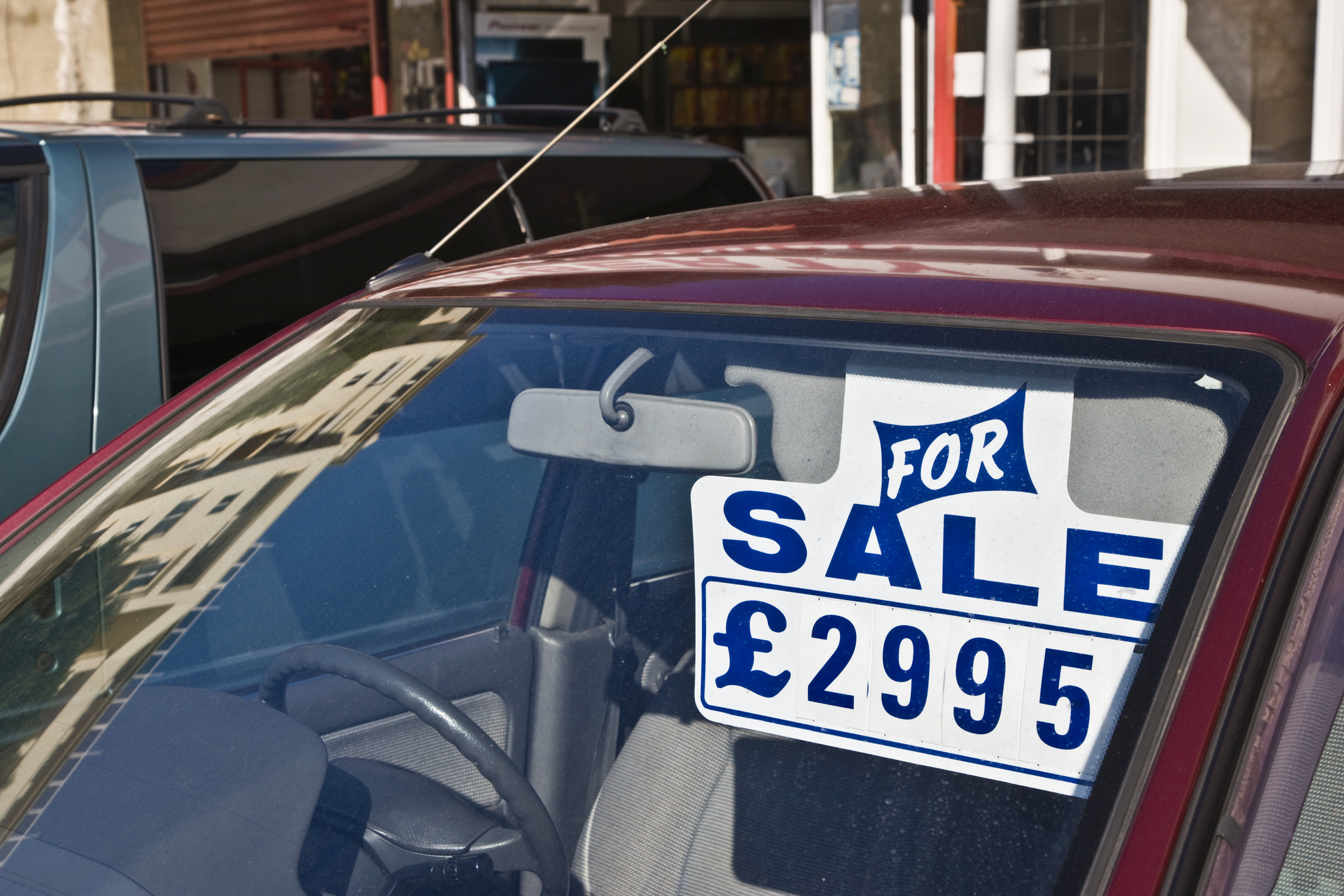
There is no fixed number. A modern car that has been maintained on schedule can run well past 200,000 miles, while a neglected one can be worn out at 80,000. Mileage tells you how much the car has been used. Maintenance history tells you how well it was cared for, and that matters more. As a rough guide, cars under about 100,000 miles still have most of their life ahead of them, cars from 100,000 to 150,000 need more careful checking, and above that you are buying the specific car's history, not its average.
Why the old 100,000-mile rule is out of date
For decades, 100,000 miles was treated as the end of a car's useful life. That made sense when engines needed rebuilds at that point and rust ate bodies within ten years. Modern engines with better tolerances, synthetic oils, fuel injection, electronic engine management and better corrosion protection last much longer. Many cars on the road today are well past 150,000 miles and still in daily use.
What has not changed is that parts wear. A car with 140,000 miles will need things a 40,000-mile car will not, for a while. The question is whether those things have been done, and whether the price reflects what is coming.
Compare mileage with age
Americans typically drive somewhere around 12,000 to 15,000 miles a year. Use that as a yardstick:
- Higher than average miles for the age often means highway commuting. That is the easiest kind of driving on an engine and transmission.
- Lower than average miles is not automatically better. Short trips, long periods sitting still and infrequent oil changes can be hard on a car. Rubber seals dry out, batteries die, and brake rotors rust.
- Very low miles on an old car deserves the same scrutiny as high miles. Ask why it sat, and check that the odometer reading is consistent with the history report and with wear inside the car.
Highway miles versus city miles
A car that spent most of its life cruising at a steady speed has done far fewer engine starts, gear changes and brake applications per mile than one used for short trips in traffic. Cold starts cause a disproportionate share of engine wear, and stop-and-go driving works the transmission, brakes and suspension hard. A 150,000-mile highway car can be in better mechanical shape than a 90,000-mile delivery or city car.
Clues to the type of use: the history report's location and ownership pattern, wear on the brake pedal and driver's seat, the condition of the brakes, and service records with mileage intervals.
How long major parts typically last
Lifespans vary by design, driving conditions and care, so treat these as broad ranges rather than promises. Your owner's manual gives the actual service intervals for your car.
| Component | Typical service or replacement |
|---|---|
| Brake pads | Often 30,000 to 70,000 miles, depending heavily on driving |
| Tires | Commonly 40,000 to 70,000 miles, or about six years of age |
| 12-volt battery | Roughly three to five years |
| Timing belt (if equipped) | Usually 60,000 to 105,000 miles per the maker's schedule |
| Spark plugs (iridium or platinum) | Often around 100,000 miles |
| Shocks and struts | Inspect from about 50,000 to 100,000 miles |
| Water pump, alternator, starter | Frequently replaced somewhere past 100,000 miles |
Engines and transmissions have no fixed lifespan. Their life depends on the design, oil and fluid changes, and how hard the car was driven. Some powertrains have known weak points at certain mileages, which is where model-year complaint data helps. Check the model's page on VehicleAlmanac for the years you are considering, and see our guide to picking the best model year.
Rust can matter more than miles
In states that salt their roads in winter, corrosion often ends a car's life before the engine does. A 90,000-mile car from a northern state can have rotted brake lines, seized suspension bolts and a rusted subframe, while a 180,000-mile car from a dry southern state looks clean underneath. Check the history report for where the car has been registered, and have the underside inspected on a lift.
What to ask for on a high-mileage car
- Service records. Regular oil changes at sensible intervals are the single best sign of a car that was looked after.
- Proof of big-ticket maintenance such as a timing belt replacement, transmission fluid service or coolant change if the schedule called for it.
- Recent major repairs. A new clutch, water pump or set of struts adds value. You will not have to pay for it.
- Recall completion. Check the VIN for open recalls on our recalls pages and with NHTSA.
If the seller has no records at all on a 140,000-mile car, assume the overdue items have not been done and price them in.
Get it inspected
A pre-purchase inspection matters more as mileage climbs. A mechanic can check for leaks, compression or oil consumption issues, worn suspension parts and stored fault codes, and give you a list of what will need doing in the next year. Read our pre-purchase inspection guide for what to ask for.
When high mileage is a deal breaker
- No records and signs of neglect, such as sludgy oil, overdue warning lights or worn-out tires on mismatched wheels.
- The model has a known major failure around the current mileage and there is no proof it was addressed.
- The price does not reflect the mileage. High-mileage cars should be clearly cheaper.
- You plan to keep the car a long time and need it to be very reliable, but cannot afford the repairs an older car will eventually need.
Frequently asked questions
Is 100,000 miles too many for a used car?
Not by itself. Many cars run well past 100,000 miles. Look at maintenance records, the model's reliability record and an inspection report. Make sure any scheduled work due around that mileage, such as a timing belt, has been done or is reflected in the price.
Are highway miles really better?
Generally, yes. Steady highway driving means fewer cold starts, gear changes and brake applications per mile, which reduces wear on the engine, transmission and brakes.
Is a very low-mileage old car a good buy?
It can be, but cars that sit can develop dried seals, old fluids and aged tires. Check tire date codes, fluid condition and records, and confirm the odometer reading against the history report.
How many miles do electric cars last?
EVs have fewer wearing parts, so mileage matters less for the motor and drivetrain. The battery is the main concern. Many makers warranty EV batteries for 8 years or 100,000 miles, so check what coverage remains and ask for a battery health report if one is available.