Used Car Checklist: What to Check Before You Buy
Decode the VIN, look up open recalls, read the history, pay for an inspection, drive it properly and get the paperwork right. Here is the order to do it in and what to look for at each step.
A good used car checklist comes down to six steps done in order: confirm the vehicle's identity with the VIN, check for open safety recalls, read its history, have an independent mechanic inspect it, drive it the way you will actually use it, and handle the title and payment carefully. Skip any one of them and you are buying on faith. The rest of this guide walks through each step and what to look for.
Step 1: Get the VIN and decode it
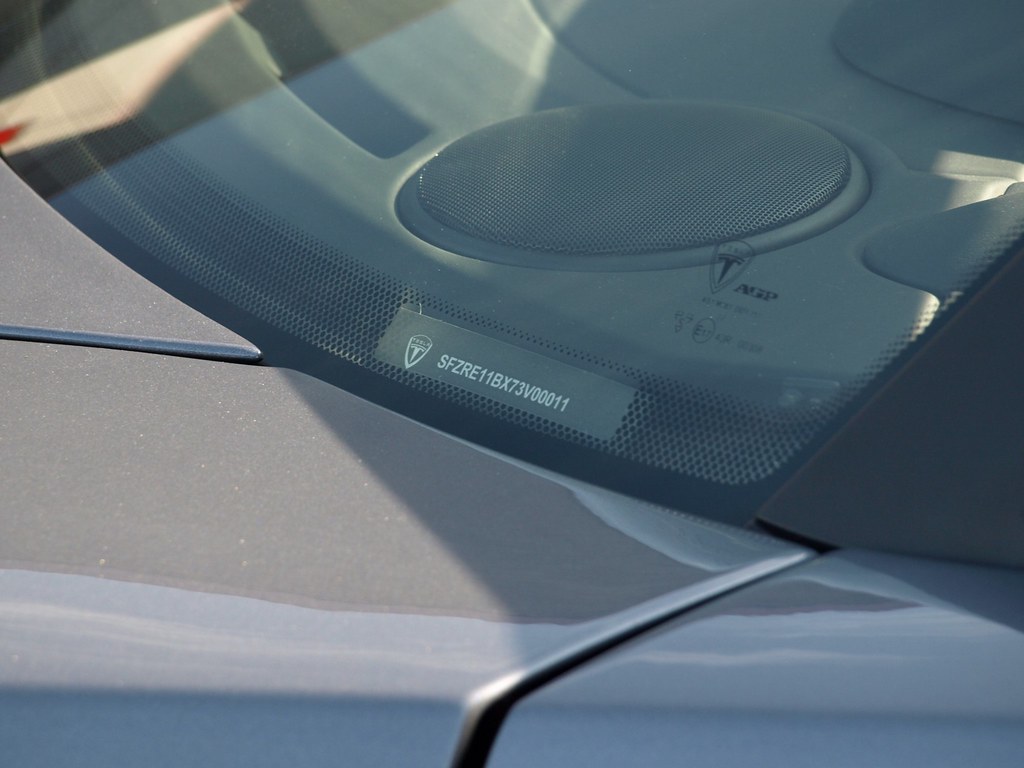
Ask the seller for the 17-character vehicle identification number before you drive anywhere. A seller who will not share it is telling you something. The VIN is printed on a plate at the base of the windshield on the driver's side, on a sticker in the driver's door jamb, and on the title and registration.
Run it through our VIN decoder and compare the result with the listing. The decoded year, make, model, engine and body style should match what the seller is advertising. A "V6" listing that decodes as a four-cylinder, or a model year that is off by one, is either a careless ad or a deliberate one. Both are worth a question.
When you see the car in person, check that the VIN on the dashboard plate, the door sticker and the title are all identical. Mismatched or tampered VIN labels are a classic sign of a stolen or rebuilt vehicle.
Step 2: Check for open recalls
Recall repairs are done free at franchised dealers, but only if someone brings the car in. Plenty of used cars change hands with recall work never done, and in most of the country nothing stops a seller from selling a car with an open recall. Search the VIN on NHTSA's recall lookup, which shows recalls that have not been completed on that specific vehicle.
It also helps to look at the recall history for the model year as a whole on our recalls pages. That tells you which systems have given the model trouble (airbags, fuel pumps, brakes, wiring) so you know what to ask about. An open recall is not always a reason to walk away. It is a reason to get the repair scheduled before you rely on the car, and sometimes a point of negotiation if parts are back-ordered.
Step 3: Read the vehicle history
A history report pulls title records, reported accidents, odometer readings and sometimes service visits tied to the VIN. It will not catch everything, since many accidents are never reported to insurers or police, but it catches enough to be worth the money. Look for:
- Title brands such as salvage, rebuilt, flood or lemon buyback.
- Odometer readings that go down or stall for long stretches.
- Ownership pattern. Several owners in a short span can point to a car nobody wanted to keep.
- Registration history in flood-prone areas around the dates of major storms.
- Use type. Former rental, fleet or rideshare cars are not automatically bad, but they usually have hard miles.
We cover this in more depth in how to check a car's history.
Step 4: Look up the model year's complaint record
Recalls tell you what the manufacturer admitted. Owner complaints filed with NHTSA tell you what drivers ran into, recalled or not. Pull up the model and year on VehicleAlmanac and look at the problem categories. If the year you are considering has hundreds of complaints about the transmission and the next year has far fewer, that matters. Our guide to picking the best model year shows how to read those numbers without overreacting to them.
Step 5: Do your own walkaround
Before paying a mechanic, spend twenty minutes with the car in daylight. You are looking for reasons to stop, not trying to diagnose everything.
Outside
- Panel gaps that are uneven, or paint that looks slightly different from panel to panel.
- Overspray on rubber trim, headlights or door seals, a sign of bodywork.
- Tires: matching brands, even wear, enough tread. Uneven wear on the inner or outer edge points to alignment or suspension problems.
- Rust on the rocker panels, wheel arches and under the doors.
Inside and under the hood
- A musty smell, water lines on door panels, or silt under the carpet (signs of flooding).
- Wear on the pedals, steering wheel and driver's seat that seems heavy for the odometer reading.
- Every warning light should come on briefly at start and then go out. A light that never comes on at all may have had its bulb removed.
- Oil that looks milky, coolant that is rusty, or fresh fluid leaks on the engine or the ground.
- Test every window, lock, seat adjuster, the HVAC on hot and cold, and the infotainment screen.
Step 6: Test drive it properly
Ask the seller not to warm the car up before you arrive. A cold start shows rough idling, smoke and noises that disappear once the engine is warm. Then drive for at least 20 to 30 minutes on a mix of roads:
- City traffic, to feel low-speed shifts and brake behavior.
- Highway speed, listening for wind noise, wheel bearing hum and vibration.
- A firm stop from speed. The car should pull straight with no pulsing in the pedal.
- A parking lot, turning lock to lock to listen for clicks from the CV joints or groans from the steering.
- A rough road, for clunks from worn suspension parts.
Watch for slipping, flaring revs between gears, harsh engagement into drive or reverse, and any warning light that appears during the drive.
Step 7: Pay for a pre-purchase inspection
If the car survives your own checks, have an independent mechanic you choose put it on a lift. They will spot frame repairs, leaks, worn parts and stored trouble codes you cannot see in a driveway. It is the best money you will spend on the purchase. See our guide to the pre-purchase inspection for what to expect.
Step 8: Handle the paperwork
- Title. The name on the title should match the seller's ID. Check for a listed lienholder. If there is one, the loan must be paid off and the lien released before ownership can transfer cleanly.
- Odometer disclosure. Federal rules require a written mileage statement for most transfers of vehicles from the 2011 model year onward. It is usually part of the title.
- Bill of sale. Write down the date, price, VIN, mileage, both parties' names and signatures. Some states require their own form.
- Buyers Guide. Dealers must post the FTC Buyers Guide on used cars, showing whether the car is sold with a warranty or as is. That sticker becomes part of your contract.
- Payment. Use a traceable method. Avoid carrying large amounts of cash to a stranger.
Registration, tax and title transfer rules vary by state, so check your DMV's site for what you need to bring. Buying from an individual raises a few extra issues, covered in buying a car from a private seller.
Frequently asked questions
Can a dealer sell a used car with an open recall?
In most cases, yes. Federal law bars dealers from selling new vehicles with unrepaired safety recalls, but there is no equivalent federal ban for used vehicles. Check the VIN yourself before you buy and ask the seller to have the recall done, or schedule it yourself afterward. The repair is normally free at a franchised dealer.
Is a clean history report enough?
No. A report only shows what was reported. A car repaired privately after a crash can come back clean. Treat the report as one input, and rely on the physical inspection for the rest.
How long should a test drive be?
Aim for at least 20 minutes, including highway speed and a cold start. Some problems, especially with transmissions and cooling systems, only show up after the car is fully warm.
What documents should I leave with?
The signed title (or your state's equivalent), a bill of sale, the odometer disclosure, any lien release, all keys, and service records if the seller has them. Dealer buyers should also keep the Buyers Guide and the signed contract.