Power Steering Failure: Signs and Recalls
Losing power steering does not mean losing steering, but it can turn a parking lot into a workout and a highway curve into a scare. Here is how to spot trouble early in both system types.
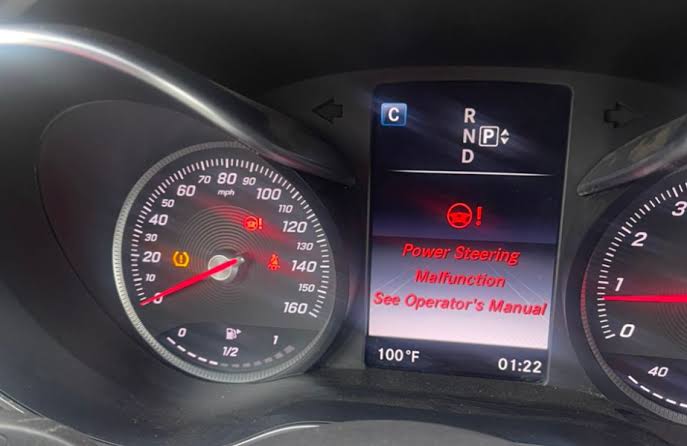
The main sign of power steering failure is steering that suddenly or gradually becomes heavy, especially at low speed. Hydraulic systems often warn you first with a whine or groan when turning, fluid leaks, or a jerky feel. Electric power steering (EPS) usually announces a fault with a warning light and a message on the dash. If assist cuts out while driving, you can still steer, but it takes much more effort, so grip the wheel firmly, slow down and pull over safely.
Two kinds of power steering
Hydraulic power steering
Traditional systems use an engine-driven pump, usually turned by the serpentine belt, to pressurize fluid that helps move the steering rack or gearbox. They were standard for decades and are still found on many trucks and older cars. Because the pump is belt-driven, hydraulic assist is lost when the engine stops or the belt breaks.
Electric power steering
Most newer passenger cars use EPS. An electric motor, mounted on the steering column or on the steering rack, provides assist based on input from a torque sensor and vehicle speed. EPS saves fuel because it uses power only when you steer, and it makes features like lane centering and automated parking possible. It also depends on electronics, sensors and stable voltage, which brings its own failure modes.
A few vehicles use electro-hydraulic systems, which have a hydraulic rack powered by an electric pump.
Warning signs: hydraulic systems
- Whining or groaning when turning, especially at low speed or full lock. Often low fluid or a failing pump.
- Squealing at startup or when turning, often a slipping belt.
- Fluid leaks, usually reddish or amber, near the pump, hoses or rack. Check the reservoir level.
- Foamy or dark fluid in the reservoir.
- Stiff or jerky steering, or steering that is heavier in one direction than the other.
- Steering wheel slow to return to center after a turn.
Warning signs: electric systems
- Steering warning light (often a steering wheel with an exclamation point) or a "service power steering" message.
- Sudden loss of assist, sometimes intermittent, sometimes returning after a restart.
- Steering that feels notchy or uneven when turning slowly.
- Assist that varies with electrical load, such as when headlights or the blower are on, which can point to a weak battery, alternator or connection.
- Clunking or clicking from the column on column-mounted systems.
Because EPS needs stable voltage, a failing battery or charging system can cause steering warnings. Have the battery and alternator tested as part of any EPS diagnosis. Our guide to battery drain and electrical problems covers that testing.
What to do if steering assist fails while driving
- Do not panic. The mechanical link between the wheel and the front wheels is still there. You can still steer.
- Grip with both hands and expect much heavier steering, particularly at low speed.
- Slow down gradually and signal your way to a safe stop.
- Restart the car once stopped, if it is safe to do so. Some EPS faults clear temporarily, but get it checked anyway.
- Do not keep driving long distances without assist. Heavy steering makes emergency maneuvers harder, and a hydraulic pump running dry can be damaged.
Loss of power steering often happens together with an engine stall, since a stalled engine stops a hydraulic pump. Our article on car stalling while driving covers that situation.
Recalls involving electric power steering
EPS faults have been the subject of several large recalls, because sudden loss of assist increases crash risk. One of the best known: in 2014, General Motors recalled well over a million vehicles, including the Chevrolet Cobalt, Chevrolet HHR and Saturn Ion, for a condition that could cause sudden loss of electric power steering assist. These were some of the same vehicles involved in GM's ignition switch recall that year.
Owners have filed 2,330 complaints with NHTSA about the 2006 Chevrolet Cobalt, and the 2006 Cobalt steering complaints show many loss-of-assist reports. You can also check the 2006 HHR problems and 2006 Saturn Ion recalls pages.
Other manufacturers have also recalled vehicles for EPS motor, sensor, wiring or software faults. Some owners report loss of assist that never became a recall, and in those cases the complaint record is still useful evidence when you talk to a dealer. Check the steering section of your model year's problem page and your VIN's recall status.
Repair costs and options
Hydraulic repairs range from cheap (a belt, a hose, a fluid top-up) to moderate (a pump) to more expensive (a steering rack). EPS repairs often involve replacing the column assembly or rack with the motor attached, which can be costly, though some faults are fixed with a sensor, a connector repair or a software update. Ask whether a service bulletin applies before approving a large repair.
Checking power steering fluid
On hydraulic systems, the reservoir usually sits near the front of the engine with a cap marked by a steering wheel symbol. Many have hot and cold marks on a dipstick attached to the cap or on the side of the reservoir. Check with the engine off, wipe the cap area first so dirt does not fall in, and use only the fluid listed in the owner's manual. Some systems use automatic transmission fluid and others need a specific power steering fluid, and mixing types can damage seals. If you have to top up often, find the leak rather than adding fluid indefinitely. Electric systems have no fluid to check.
Test drive tips for used buyers
On a used car, turn the wheel from lock to lock while parked and listen for whine, groan or clunks. Drive through a parking lot at walking speed, making tight turns in both directions, and notice whether the effort changes or the wheel feels notchy. Watch for any steering warning light at startup and while driving. Then check the steering section of that model year's problem page and confirm any power steering recalls are complete.
Related problems that feel like steering failure
Hard steering can also come from very low tire pressure, a seized suspension joint or a damaged steering component after hitting a curb. A violent shake after hitting a bump on a truck or Jeep with a solid front axle is a different issue; see death wobble explained. Any change in how the car steers deserves an inspection, because steering problems rarely stay small.