EV Range in Cold Weather: Why It Drops
Electric cars lose range in winter because cold slows the battery chemistry and heating the cabin uses energy. Here is how big the drop can be, what heat pumps and preconditioning do, and how to plan for it.
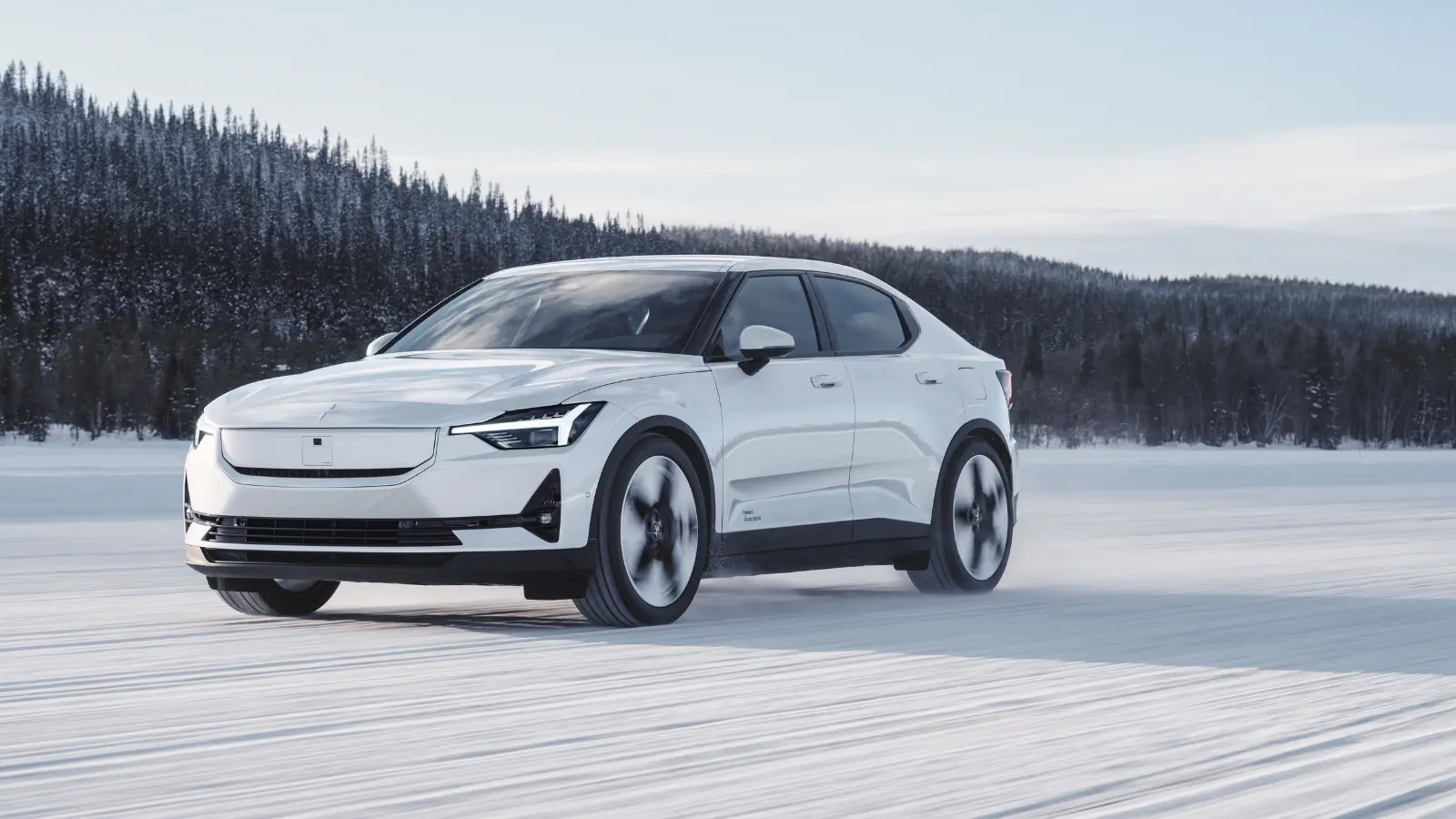
Electric cars lose range in cold weather, and the drop can be large. In freezing temperatures with the heater running, losing somewhere between 20 and 40 percent of rated range is common, and more is possible in severe cold on short trips. Two things cause it: lithium-ion batteries work less efficiently when cold, and heating the cabin draws energy from the same battery that drives the wheels. Heat pumps, preconditioning while plugged in, and seat and steering wheel heaters all reduce the loss.
Why cold weather cuts range
Battery chemistry slows down
A battery stores and releases energy through chemical reactions, and those reactions run more slowly in the cold. Internal resistance rises, so less of the stored energy is available, and more is lost as heat. The battery management system also limits how much power the battery can accept, which is why regenerative braking is often weaker on a cold morning and why fast charging can be much slower until the pack warms up.
Heating the cabin takes energy
A gas engine throws off far more heat than it can use, and the heater simply borrows some of it. An EV's motor and electronics are so efficient that there is little waste heat to borrow. The car has to make heat from battery power. A traditional resistive heater, which works like a space heater, can draw several kilowatts, and on a slow drive in town that can rival the energy used for moving the car.
Heating the battery
Many EVs warm the battery itself in cold weather to protect it and to allow faster charging. That also uses energy, especially when the car sits outside in deep cold.
Everything else
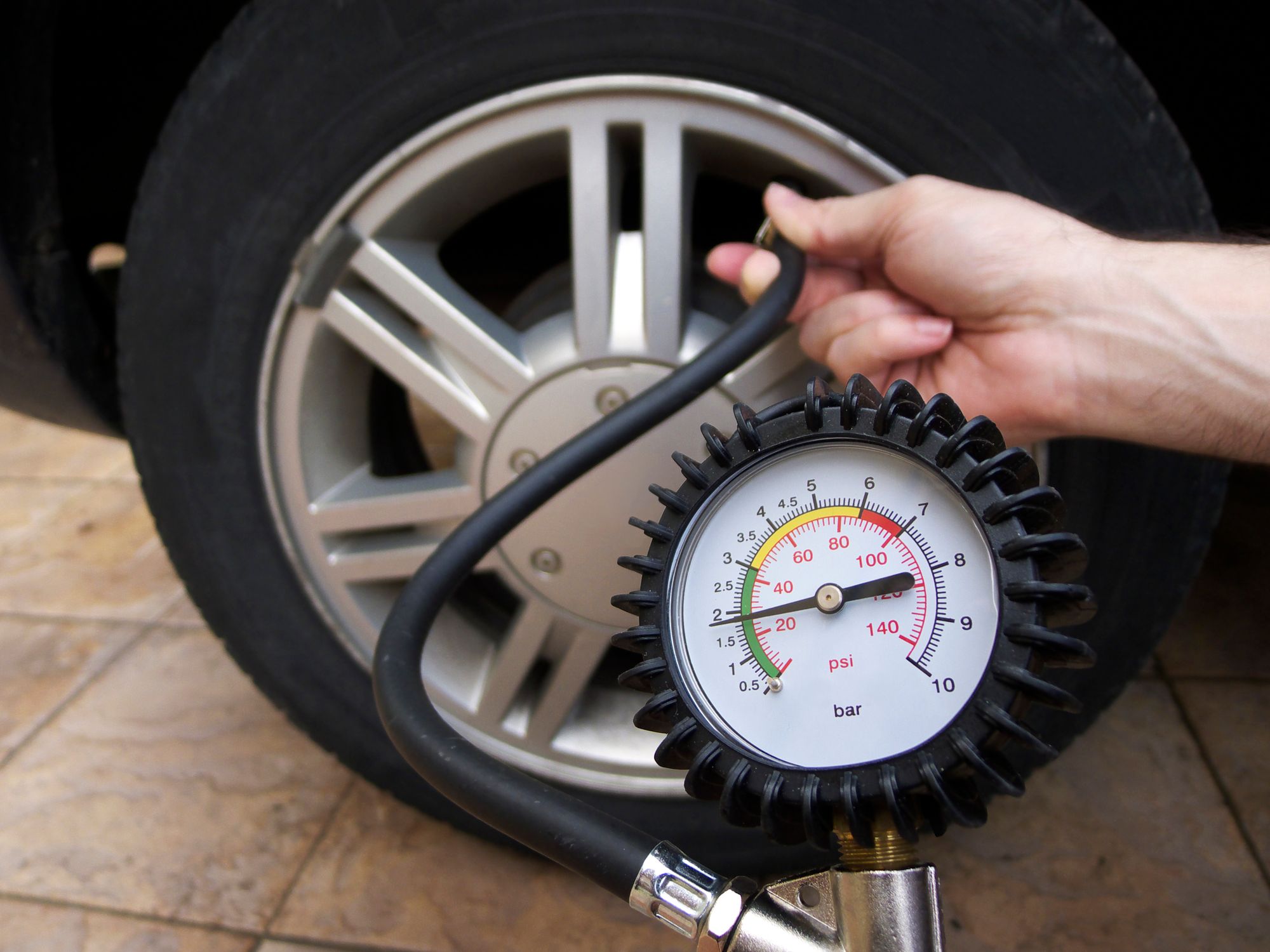
Cold air is denser, which adds a little aerodynamic drag. Tire pressure drops as the temperature falls, increasing rolling resistance. Snow and slush on the road add more. And winter tires, while the right choice for safety, often roll with more resistance than all-season tires.
How much range do you actually lose?
It depends heavily on the car, the temperature, trip length and how much heat you use. Some useful reference points:
- Testing by AAA found that, in cold weather around 20°F with the cabin heater in use, the EVs it tested lost on average roughly 40 percent of their range. Without the heater, the loss was much smaller.
- Owners and other testers commonly report losses in the 20 to 30 percent range at moderate winter temperatures, around freezing, on mixed driving.
- Short trips suffer the most, because the car spends energy warming the cabin and battery and then the trip ends before that energy pays off.
- Long highway drives in moderate cold usually lose less in percentage terms, once everything is up to temperature.
The EPA range on the window sticker is based on lab tests that include a cold-weather element only in limited ways, so treat it as a fair-weather figure. Our MPGe explainer covers what the label does and does not measure.
Heat pumps
A heat pump moves heat rather than making it. It works like an air conditioner in reverse, pulling heat from outside air and from the car's motor and electronics into the cabin. In mild cold it can deliver several units of heat for each unit of electricity, making it far more efficient than a resistive heater. Its advantage shrinks as temperatures fall well below freezing, and most cars fall back on resistive heating in deep cold, but it still helps across most winter conditions.
Heat pumps have become common on newer EVs, though availability varies by model, model year and sometimes trim. If you live somewhere with real winters, check whether the specific car you are considering has one. Owner complaints filed with NHTSA can also reveal winter issues with heating or charging on particular models. You can read those for examples like the 2023 Tesla Model Y, the 2022 Chevrolet Bolt EV or the 2024 Hyundai Ioniq 5 on their model-year pages.
Preconditioning
Preconditioning means warming the cabin, and on many cars the battery, before you leave. Done while the car is plugged in, it draws power from the grid instead of the battery, so you start the trip with a warm car and a full charge. Most EVs let you schedule it by departure time in the car's settings or through a phone app.
Many EVs also precondition the battery automatically when you set a fast charger as the destination in the built-in route planner, so the pack arrives warm enough to charge at a good speed. On a cold road trip, use the car's own route planner for charging stops for this reason.
Practical tips for winter EV driving
- Park in a garage if you can. Even an unheated garage keeps the battery warmer than the open air.
- Stay plugged in when parked at home, so the car can use grid power to keep the battery warm and precondition.
- Use seat and steering wheel heaters. They warm you directly and use far less energy than heating all the air in the cabin.
- Lower the cabin temperature a few degrees and use the recirculation setting when the windows are clear.
- Check tire pressure more often. Pressure drops as it gets colder. See tire pressure and fuel economy.
- Plan more buffer on trips. Expect charging stops to come sooner and, until the battery warms, charging to be slower.
- Keep a higher state of charge in very cold weather, so you have margin if a trip runs long or a charger is out of service.
Is winter range loss permanent?
No. Cold-weather range loss is temporary. Once temperatures rise, the range returns. Cold itself does not meaningfully damage a modern EV battery, since the battery management system protects the pack. Long-term capacity loss comes mostly from age, heat and charging habits, not from winter driving. Heat is the bigger long-term enemy of lithium-ion cells, which is why many manufacturers suggest avoiding leaving a car sitting at full charge in high temperatures for long periods.
If you are shopping for an EV and live in a cold climate, size the range you need for winter, not summer. A car whose rated range comfortably covers your longest regular winter day, with a healthy margin, will be far less stressful to live with in January.