Pre-Purchase Inspection: What a Mechanic Checks and What It Costs
A pre-purchase inspection puts a used car on a lift in front of a mechanic who works for you. Here is what they check, roughly what it costs, and the findings that should end the deal.
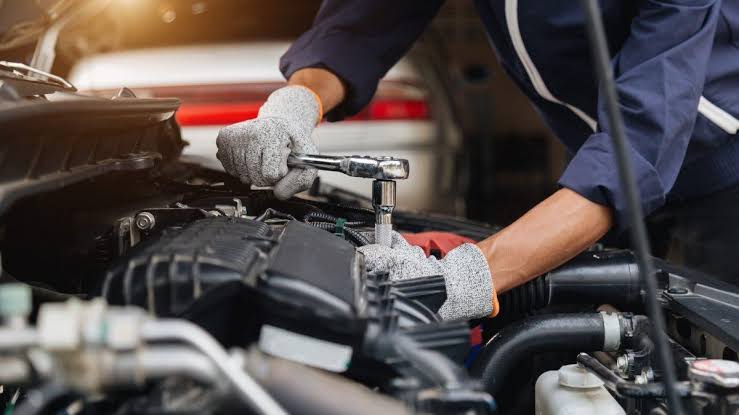
A pre-purchase inspection is a paid check of a used car by a mechanic you choose, done before you hand over money. It usually takes an hour or two, commonly costs somewhere around $100 to $250 depending on the shop and the car, and covers the engine, transmission, brakes, suspension, frame, electronics and stored trouble codes. On any car worth more than a few thousand dollars it is the best value in the whole buying process, because it either confirms the car is sound or finds the problem that saves you from it.
Why it is worth paying for
You can spot a lot yourself on a walkaround and test drive. You cannot see the underside of the car, read the computer's fault history or tell a fresh oil leak from an old one in a dim driveway. A mechanic with a lift and a scan tool can. Even when the inspection finds nothing serious, you come away with a list of upcoming maintenance that helps you negotiate and budget.
The inspection is not a guarantee. A mechanic cannot open the engine or predict a part that fails next month. What it does is greatly reduce the chance of buying a car with a problem that was already there.
What a mechanic checks
Inspections vary by shop. Ask in advance what is included. A thorough one covers most of the following.
Engine and fluids
- Oil condition and level, and signs of coolant in the oil or oil in the coolant.
- Leaks from the valve cover, oil pan, timing cover, water pump and radiator.
- Belts, hoses and engine mounts.
- Cold-start behavior, idle quality, exhaust smoke.
- Sometimes a compression or leak-down test, usually for an extra charge.
Transmission and drivetrain
- Fluid condition where it can be checked, since some sealed units have no dipstick.
- Shift quality on the road, slipping or flaring.
- CV boots and axles, differential leaks, and on all-wheel-drive cars the transfer case.
Brakes, steering and suspension
- Pad and rotor thickness, brake lines and hoses, brake fluid condition.
- Ball joints, tie rod ends, control arm bushings, shocks and struts.
- Wheel bearings, tire wear pattern and tire age.
Body and frame
- Frame rails, crumple zones and unibody seams for signs of collision repair or straightening.
- Paint thickness readings on some inspections, which reveal refinished panels.
- Rust on the subframe, floor pans, brake lines and fuel lines.
- Evidence of flood damage, such as silt, corrosion on seat bolts and wiring connectors under the dash.
Electronics
- A scan of all control modules for current and stored trouble codes, not just the engine.
- Readiness monitors. If they show "not ready," the codes may have been cleared recently, which can hide a problem.
- Airbag warning light, ABS, lights, windows, HVAC, infotainment and driver assistance systems.
Road test
Most good inspections include a drive to check acceleration, shifting, braking, alignment, noises and vibration at speed.
What it costs
Prices vary with your region, the shop and the vehicle. A basic inspection at an independent shop often falls in the $100 to $200 range. A more detailed one, or an inspection on a luxury, performance or electric vehicle, can run $200 to $300 or more. Mobile inspection services that come to the seller's location are another option and tend to cost about the same. Get the price and scope in writing before the appointment.
Independent shop or dealer?
Both can work. The key is that the mechanic works for you, not the seller.
- Independent shop. Usually cheaper and more flexible. Choose one with good reviews and, ideally, experience with the brand.
- Franchised dealer for that brand. Has factory scan tools and can look up the car's warranty and recall history by VIN, sometimes including past warranty repairs. Often charges more.
- Avoid the seller's shop. If the dealer offers its own inspection or "certification," that is fine as a starting point, but it does not replace an independent check.
Whichever you pick, run the VIN yourself first. Check for open recalls with NHTSA and look at the model year's complaints on VehicleAlmanac, so you can ask the mechanic to look closely at the known weak spots. Our VIN decoder and recall pages are a quick place to start, and our used car checklist shows where the inspection fits in the process.
How to set it up
- Tell the seller up front that any sale depends on an independent inspection.
- Book the shop and agree who drives the car there. Private sellers often come along. Dealers sometimes allow a test drive to the shop or will let a mobile inspector visit.
- Ask the mechanic for a written report, with photos if possible.
- Go over the findings in person or by phone. Ask which items are urgent, which can wait, and rough repair costs.
A seller who refuses any independent inspection is the biggest red flag of all. Thank them and leave.
Red flags that should end the deal
- Frame or structural damage, including kinked rails or welded sections.
- Flood evidence: silt, rust in odd places, corroded connectors.
- Coolant in the oil or oil in the coolant, which can mean a head gasket problem.
- Transmission slipping or harsh engagement, or burnt-smelling fluid.
- Recently cleared trouble codes with monitors not ready, especially combined with a seller in a hurry.
- Airbag light on or signs the airbag system was tampered with.
- Heavy rust on the subframe, brake lines or suspension mounts.
Smaller findings, such as worn brakes, an aging battery or tires near the end of their life, are normal on a used car. Use them to negotiate rather than to walk away.
Frequently asked questions
Will a dealer let me take a car for an inspection?
Many will, especially if you have shown you are a serious buyer. Some insist the inspection happen on their lot, which a mobile inspector can handle. A flat refusal is a warning sign.
Do certified pre-owned cars need an inspection?
It is still a good idea. Certification programs vary in how thorough they are, and an independent check costs little compared with the price of a certified car.
Does an inspection check for open recalls?
Not always. A franchised dealer can look them up by VIN, but you can check yourself in a minute on NHTSA's site. Do it before the inspection so you can raise any open recall with the seller.
What if the inspection finds problems?
Get repair estimates, then ask the seller to fix the items, lower the price, or both. If the problems are structural, involve the transmission or engine internals, or the seller will not budge, walk away. The inspection fee is cheap next to a bad car.